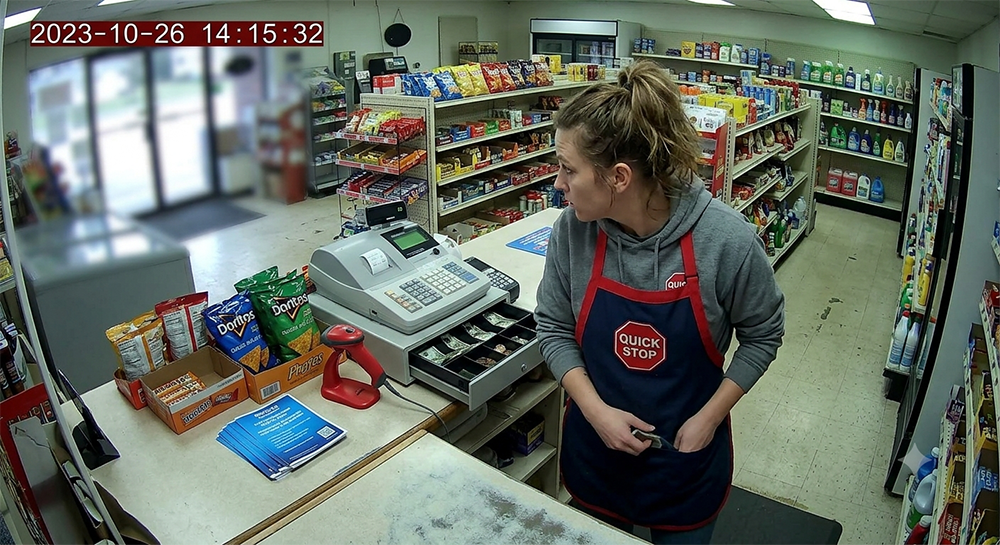
Retail crime is changing. So too are the technologies helping retailers respond.
For years, CCTV has been an essential part of store security, capturing evidence after an incident has occurred. Today, artificial intelligence is taking that role a step further. From facial recognition and behaviour analysis to real-time alerts, a new generation of security technology is helping retailers identify potential risks earlier, respond more effectively to repeat offending and better protect their staff and customers.
For independent retailers, these advancements present both opportunities and responsibilities. Understanding what these technologies do, where they fit within your business, and how to implement them responsibly is becoming an increasingly important part of modern retail security.
Retailers are looking beyond traditional CCTV
The shift towards AI-powered security reflects the changing nature of retail crime.
Many independent retailers are experiencing increasing levels of theft, organised retail crime, aggressive behaviour and violence directed towards frontline staff. While CCTV remains an invaluable investigative tool, it is inherently reactive, recording incidents after they occur.
Increasingly, retailers are looking to technologies that can provide greater situational awareness and support faster decision-making. Rather than replacing existing security measures, AI-powered tools are becoming another layer in a retailer’s overall security strategy.
From victim to early adopter
Queensland retailer Shane Kensett understands the importance of proactive security better than most.
After being violently assaulted in his Dicky Beach IGA store, Shane began looking at ways to better protect his staff, customers and business. Like many retailers, CCTV had captured the incident, but only after it had occurred.
That experience prompted him to explore new technologies designed to improve situational awareness and support staff before incidents escalate.
Working with Safer Places Network, Shane has been upgrading his store’s security systems and is also trialling Veesion, an AI platform that analyses behaviour captured by existing CCTV cameras.
“The incident reinforced just how important it is to keep our people safe. Retailers are increasingly dealing with difficult situations, and while technology isn’t the answer toeverything, it can play an important role in supporting staff and helping us respond more effectively when issues arise.” – Shane Kensett, Dicky Beach IGA
Shane’s experience reflects a broader trend across the retail sector. Rather than relying solely on evidence after the fact, retailers are increasingly investigating technologies that help them identify potential risks earlier and respond more confidently.
Not all AI is the same
One of the biggest misconceptions is that all AI security systems rely on facial recognition.
In reality, AI is now being used in several different ways.
Facial recognition technology compares a person’s facial features against a watchlist of known individuals. Because this involves biometric information, its use attracts significant privacy obligations under Australian law.
Behaviour recognition systems work differently.
Platforms such as AI startup Veesion analyse movements captured by existing CCTV cameras to identify behaviours commonly associated with shoplifting, such as concealing products or unusual hand movements. Rather than identifying who a person is, the technology identifies what they are doing.
When potentially suspicious behaviour is detected, staff receive an alert and decide whether any action is required.
Because behaviour recognition is designed to detect actions rather than identify individuals, it raises different privacy considerations from facial recognition technology. Nevertheless, retailers should still understand how any AI system collects, processes and stores information, and ensure it complies with their legal and privacy obligations.
Understanding the Difference
Facial Recognition | Behaviour Recognition |
Identifies known individuals | Detects suspicious behaviour |
Uses biometric information | Analyses body movements or gestures |
Matches against watchlists | Detects real-time theft-related actions |
Best suited to identifying repeat offenders | Best suited to supporting theft prevention |
The Bunnings decision
The recent Administrative Review Tribunal’s (ART) decision involving Bunnings attracted widespread media attention, with many headlines suggesting facial recognition had effectively been given the green light.
The reality is more nuanced.
The Tribunal overturned key aspects of an earlier decision by the Office of the Australian Information Commissioner (OAIC), finding that the use of facial recognition may be justified where it is used for legitimate security purposes, such as protecting staff and customers from violence or preventing serious criminal activity.
However, the OAIC has since made it clear that the decision should not be interpreted as blanket approval for retailers to deploy facial recognition technology. Each business must carefully assess whether its intended use is reasonable, proportionate and compliant with the Privacy Act.
Privacy must remain front of mind
While AI presents exciting opportunities, privacy remains a critical consideration.
Retailers considering facial recognition technology should seek independent legal advice before implementation and undertake a Privacy Impact Assessment. They should also ensure customers are clearly informed when facial recognition is being used, update their privacy policies accordingly and install appropriate signage throughout participating stores.
The sample guidance developed by Safer Places Network recommends limiting the use of facial recognition to safety and crime prevention purposes, ensuring every system alert is reviewed by a person, and making it clear that biometric information should never be used for marketing, profiling or customer loyalty activities. For frequently asked questions on facial recognition technology, visit Safer Places Network.
Transparency will be critical to maintaining customer trust as these technologies become more widely adopted.
Looking ahead
Artificial intelligence is rapidly becoming another tool in the retailer’s security toolkit.
Facial recognition, behavioural analysis and other AI-powered systems all have the potential to improve staff safety and reduce the impact of retail crime. At the same time, retailers must balance those benefits with their legal obligations and community expectations around privacy.
For independent retailers, the question is no longer whether AI will play a role in retail security. It already does.
The more important question is which technologies are right for your business, and how they can be implemented responsibly to create safer stores for staff, customers and the wider community.